Durable Rescue Cages for Safe Lifting & Evacuation | VLIFT
Key Features
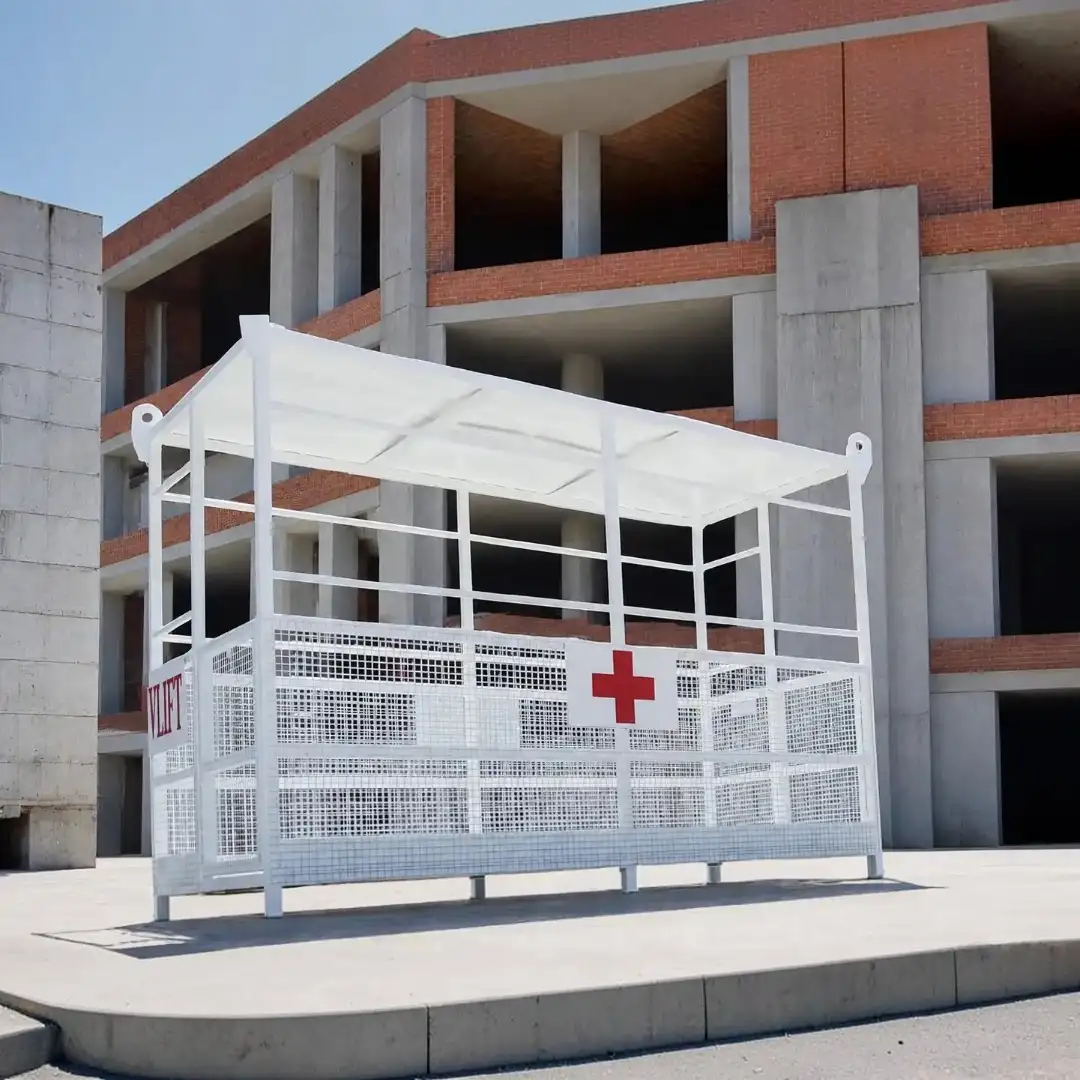
Rescue Man Cage
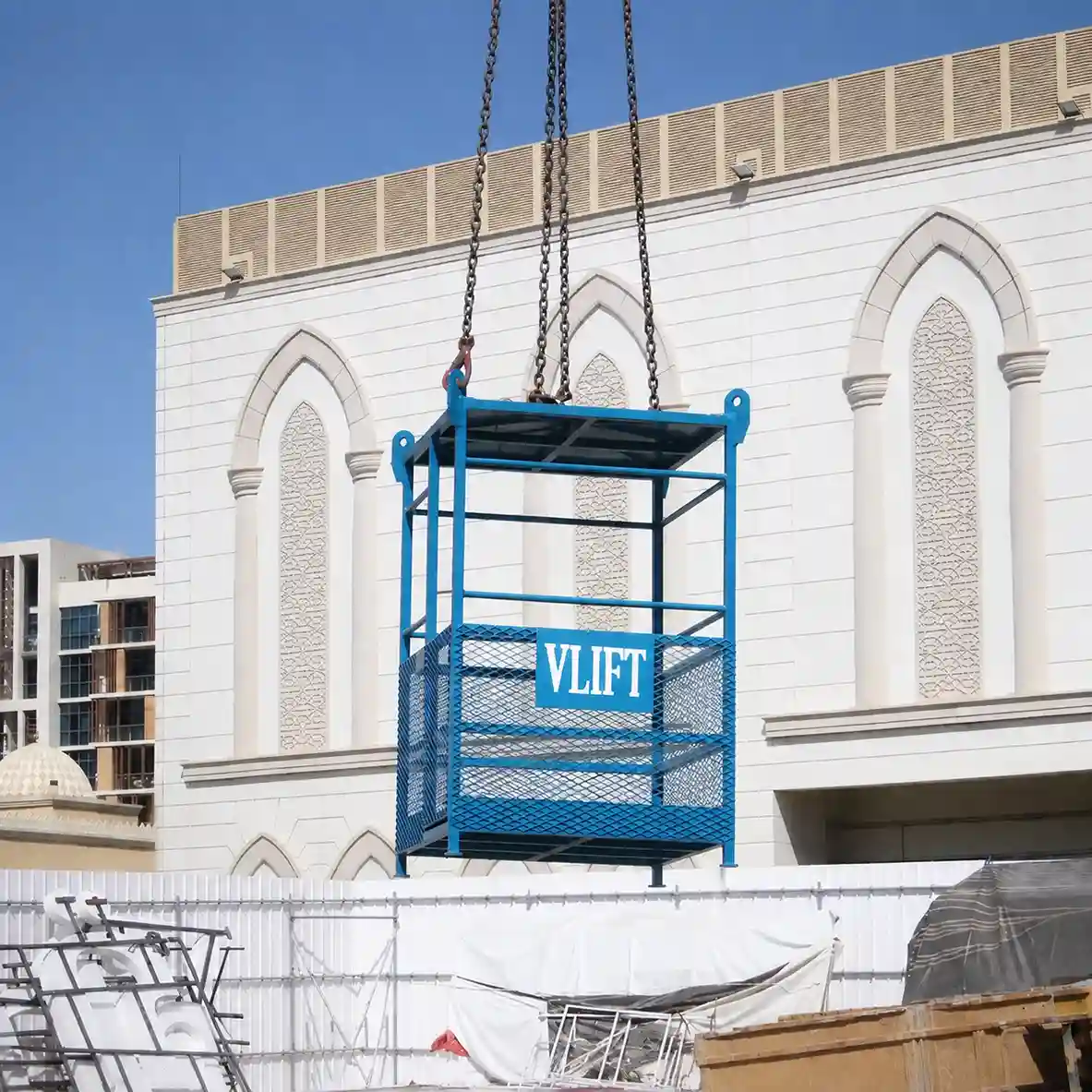
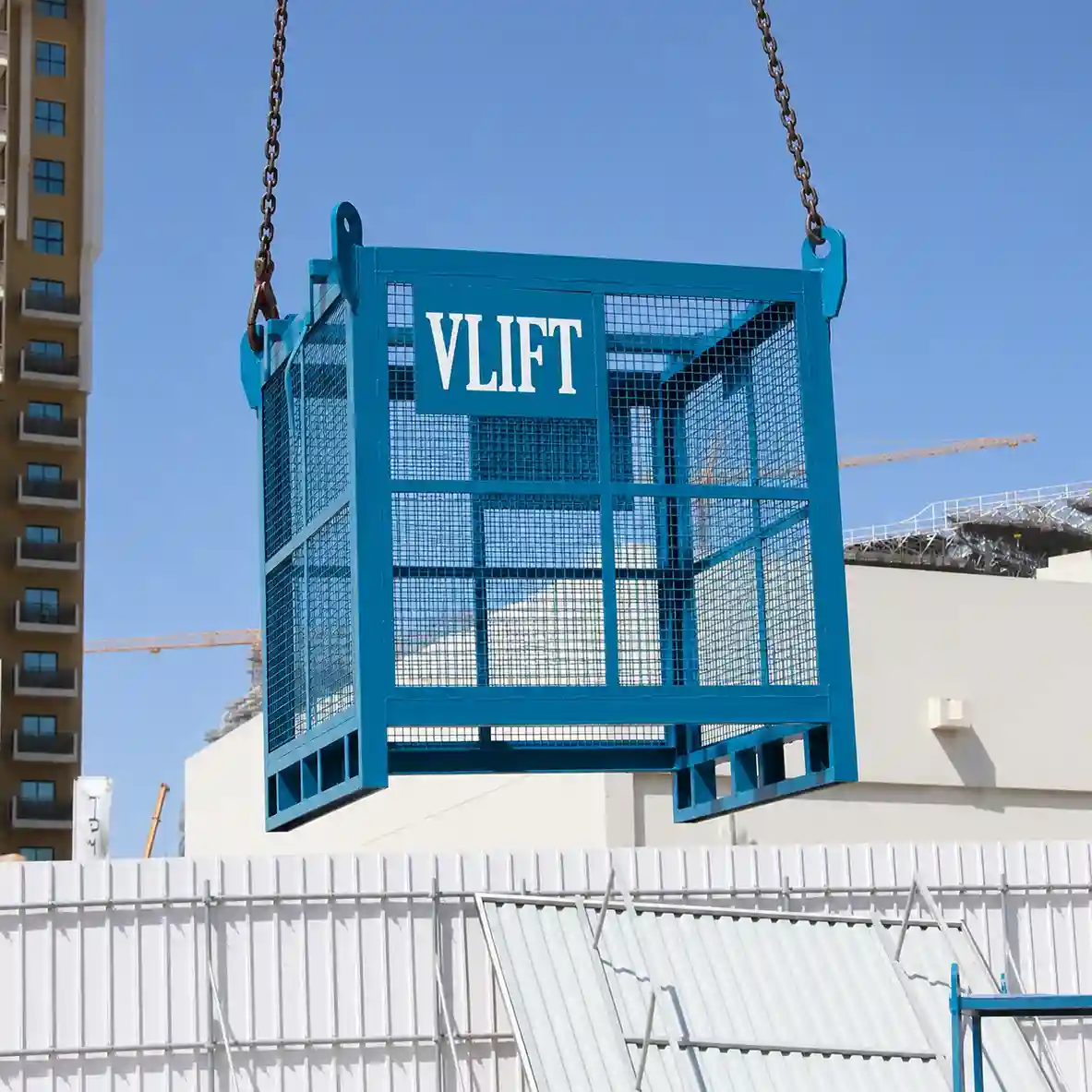
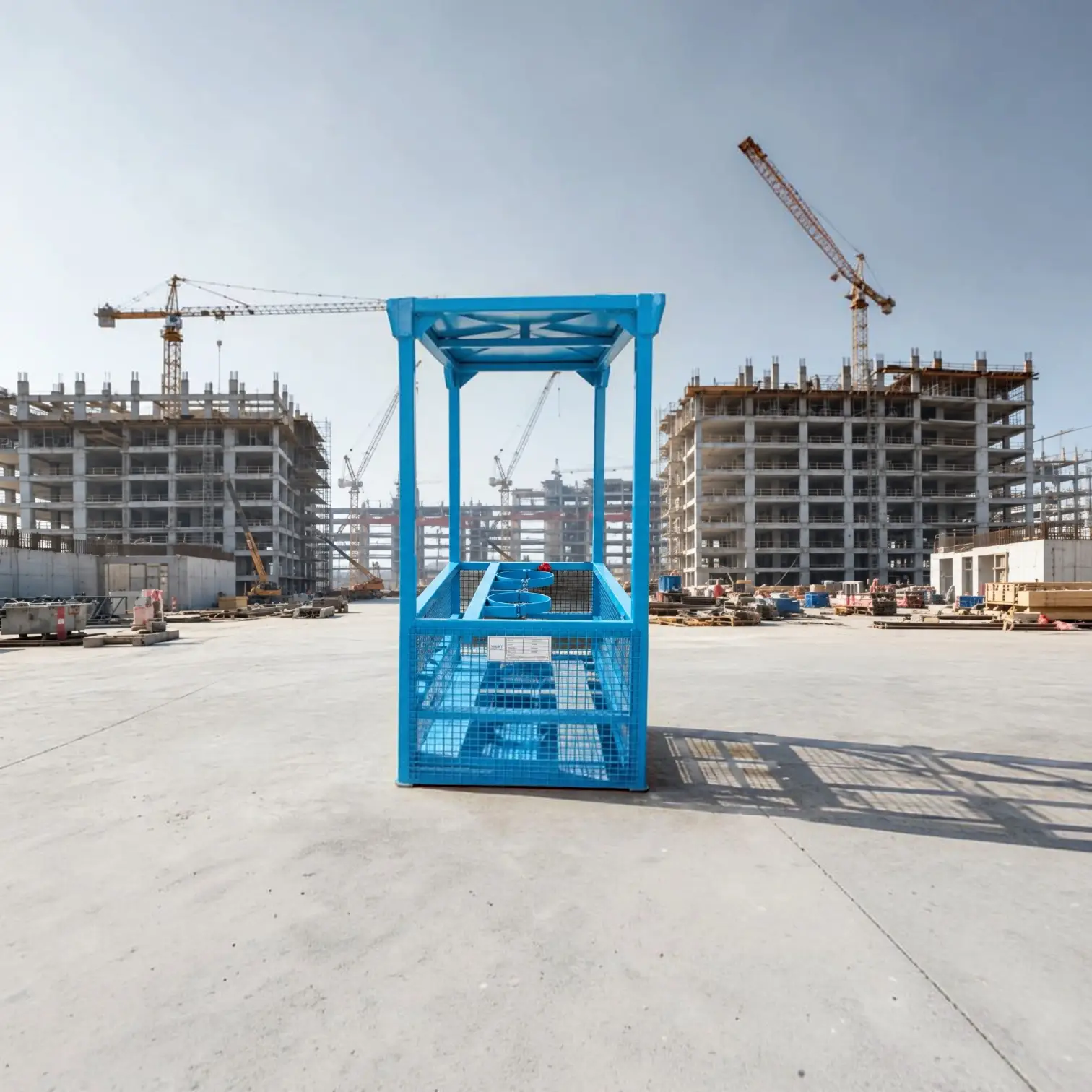
The V-LIFT Rescue Man Cage is a specially designed safety cage used for emergency situations on construction sites, industrial areas, or any high-risk work environments. It is made to safely lift and move people during rescue or evacuation operations, especially from high or hard-to-reach areas.
This rescue cage is strong, reliable, and easy to use when quick action is needed. Whether it’s for an injured worker or an emergency evacuation, the cage provides a safe and secure space for transporting people. Built with tough materials and a strong design, the V-LIFT Rescue Cage can handle rough conditions and helps ensure safety when every second is important.
When is a Rescue Man Cage Needed?
Workplace Accidents at Height
Sometimes workers get injured while working on high places like scaffolding, towers, or rooftops. If they can’t come down by themselves, a rescue cage is used to safely lift them down with the help of a crane. It gives them a secure and stable place to sit or lie down during the descent.
Fire or Gas Leaks in High Areas
In emergencies like fires or gas leaks, workers at high levels must be removed quickly and safely. Using stairs or lifts may not be possible or safe. A rescue cage allows emergency teams to evacuate people fast and safely from dangerous spots.
Mechanical Failures (Elevators or Lifts Not Working)
If a lift stops working and people are stuck in high areas, a rescue cage can be used to bring them down. It’s a safe option when other ways are not available or not functioning.
Offshore and Marine Rescues
In shipyards or oil platforms, workers are often located at high or remote spots. If there is a health emergency or an accident, a rescue cage can be quickly lowered or lifted using a crane to safely bring them to safety.
Benefits of Using the V-LIFT Rescue Cage
Custom Options Available
Every worksite is different, and V-LIFT understands this. That’s why we offer custom options for your rescue cage, such as:
- Different Sizes: If your site has tight spaces or unique lifting equipment, we can make the rescue cage in the size you need.
- Useful Add-ons: You can add extras like holders for first aid kits, stretcher mounts for injured persons, or extra padding for more comfort and safety.
- Company Branding and Color: We can color the cage to match your safety code or add your company logo for clear identification.
Maintenance and Inspection Guidelines
To make sure the rescue cage works properly when you need it, it’s important to check and maintain it regularly:
Before Every Use
Check the cage before using it. Look for any damage, rust, or parts that are loose. Make sure all doors, locks, and rails are working properly.
Monthly Inspection
Do a more detailed check every month. Make sure the welds, lifting points, and structure are strong and in good condition.
Annual Safety Certification
Have the cage checked and certified once a year by a safety professional. This keeps the cage in line with safety standards and ready for use.
Proper Storage
When the cage is not being used, keep it in a dry, clean area. This will protect it from rust and damage and make sure it’s ready when an emergency happens.
Applications and Use Cases of the V-LIFT Rescue Man Cage
The V-LIFT Rescue Man Cage is designed to be used in many different emergency situations. Below are some real examples of where and how it can be helpful.
- Used to safely rescue workers from scaffolding, tall buildings, or deep pits if there’s a medical emergency or building damage.
- Helpful for getting people out of tight or high spaces, like elevated work platforms or small enclosed areas.
- Can be used to evacuate workers from high places like overhead cranes, walkways, or large equipment.
- Useful in emergencies where there are dangerous materials or very hot/cold conditions, making it unsafe to reach workers through normal paths.
- Helps in lifting injured miners from underground tunnels or deep mine shafts.
- Can also be used to safely remove workers stuck on large mining machines.
- Used to rescue people from offshore platforms, tall rigs, or remote oil and gas facilities.
- Helps transfer workers safely during serious incidents or emergencies in risky locations.
- Helps reach people who are stuck in hard-to-access or high places and need to be rescued.
- Can also carry rescue teams and their tools to dangerous or tight spots quickly and safely.
- Useful for rescuing people working on tall power poles, mobile towers, or bridge supports.
- Ensures safe rescue when workers are stuck at heights during maintenance work.
These examples show how the V-LIFT Rescue Cage can be used in many types of emergencies, across different industries. It’s not just a piece of equipment, it’s a life-saving tool designed for safety, reliability, and quick action when it matters most.
Ensure Safety When It Matters Most.
Contact V-LIFT Today for Certified Rescue Cages Built for Emergency Response.
Quick View
FAQ
A rescue cage is used to safely lift, transport, and evacuate workers from elevated or difficult-to-access areas during emergency and rescue operations.
A rescue man cage is a specially designed personnel lifting cage that provides a secure area for workers during emergency evacuation and rescue activities.
Rescue cages are commonly used at construction sites, oil and gas facilities, industrial plants, offshore locations, mining sites, and other workplaces where emergency personnel evacuation may be required.
Yes. A suitable rescue cage can be connected to an appropriate crane or lifting system through designated lifting points, following the manufacturer's instructions and applicable safety procedures.
The safe capacity depends on the cage design and its rated working load. The number of people should always remain within the manufacturer's specified capacity.
Safety features may include secure access doors, protective barriers, strong lifting points, non-slip flooring, and robust structural construction to support safe personnel movement during rescue operations.
Yes. V-LIFT can provide rescue cage solutions based on project requirements, including dimensions, capacity, access arrangements, and additional safety features.
Yes. Rescue cages can be used for emergency personnel evacuation at oil and gas facilities, offshore locations, and other industrial environments when the equipment and operating procedures meet the site's safety requirements.
Before use, inspect the structure, lifting points, welds, access door, locking mechanism, floor, and other components for damage or wear. Any equipment that does not meet the required safety condition should not be used.